Madrid Río: The Free Riverside Park Guide
Madrid buried a motorway and gave the city back its river. The result is ten kilometres of free parkland, playgrounds, bridges and cultural venues running along the Manzanares, and this guide walks the whole thing without spending a euro.
Short answer
Madrid Río is a free linear park running roughly 10 kilometres along the Manzanares river, built over the tunnelled M-30 motorway. Entry costs nothing at any time. Key free sights include the Puente de Segovia, Matadero Madrid, the Arganzuela walkways and the connections to Casa de Campo and the Royal Palace ridge.
What Is Madrid Río?
Madrid Río is a linear park of roughly ten kilometres along the Manzanares river, built on top of the tunnelled M-30 ring motorway, whose old riverbed trench was turned into public space. Entry is free at all hours, with no ticket, no gate and no closing time beyond ordinary park rules. It links the Royal Palace ridge in the north to the Legazpi district in the south.
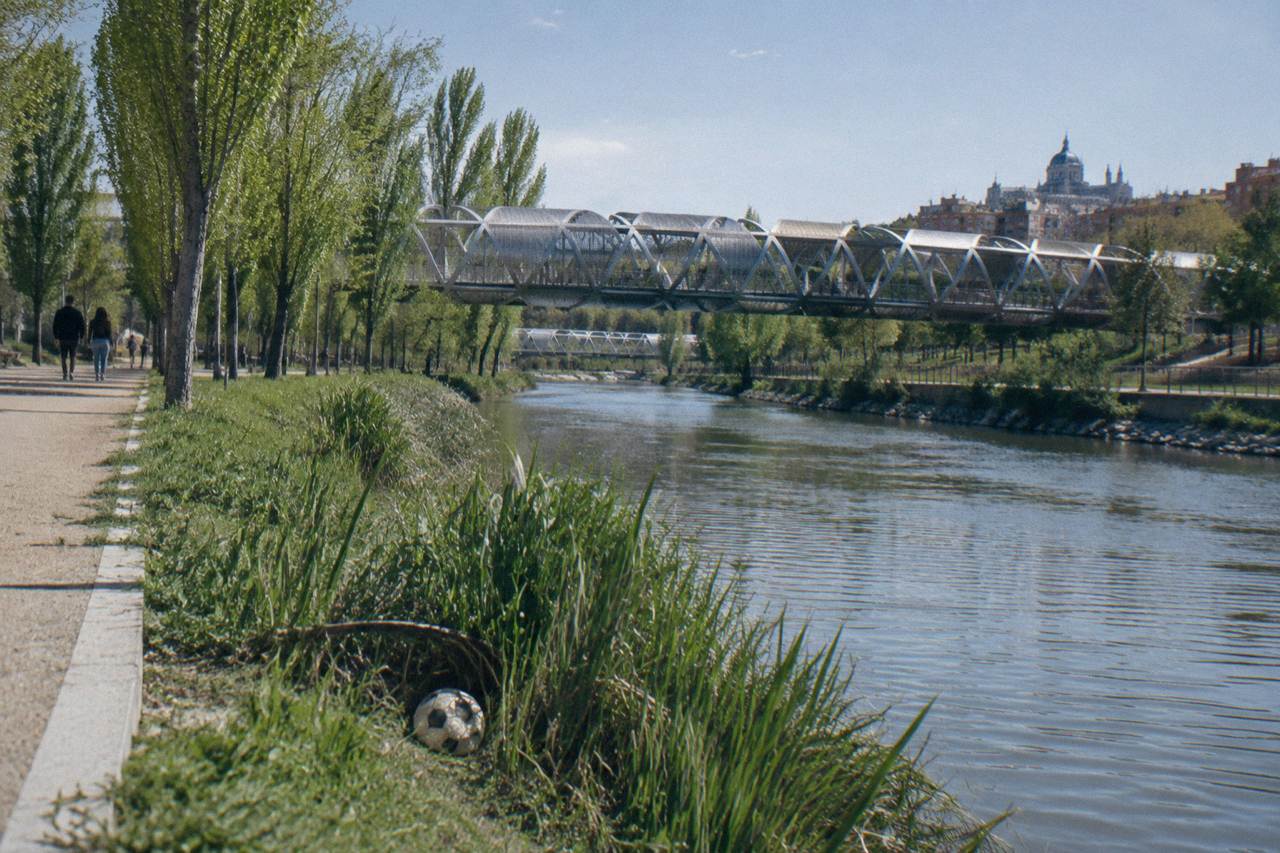
For decades the Manzanares was a river Madrid turned its back on. The M-30 motorway ran along its banks in a wide concrete cutting, and the water itself was canalised into a narrow channel. The Madrid Río project, the largest piece of urban engineering in the city's modern era, buried the motorway in tunnels and rebuilt the surface as connected parkland: pine groves, citrus gardens, cycling lanes, dozens of playgrounds, and a chain of footbridges that finally let pedestrians cross the river without dodging traffic.
The effect on the city's free-attraction landscape was dramatic. Madrid already had Retiro as its historic park, but Madrid Río added a second, entirely free green spine through neighbourhoods that had never had one. It also physically stitched together sites that used to be cut off from each other: the Royal Palace and its gardens on the high western ridge, the Arganzuela and Lavapiés districts on the east bank, and Casa de Campo, the enormous former royal hunting ground, on the west.
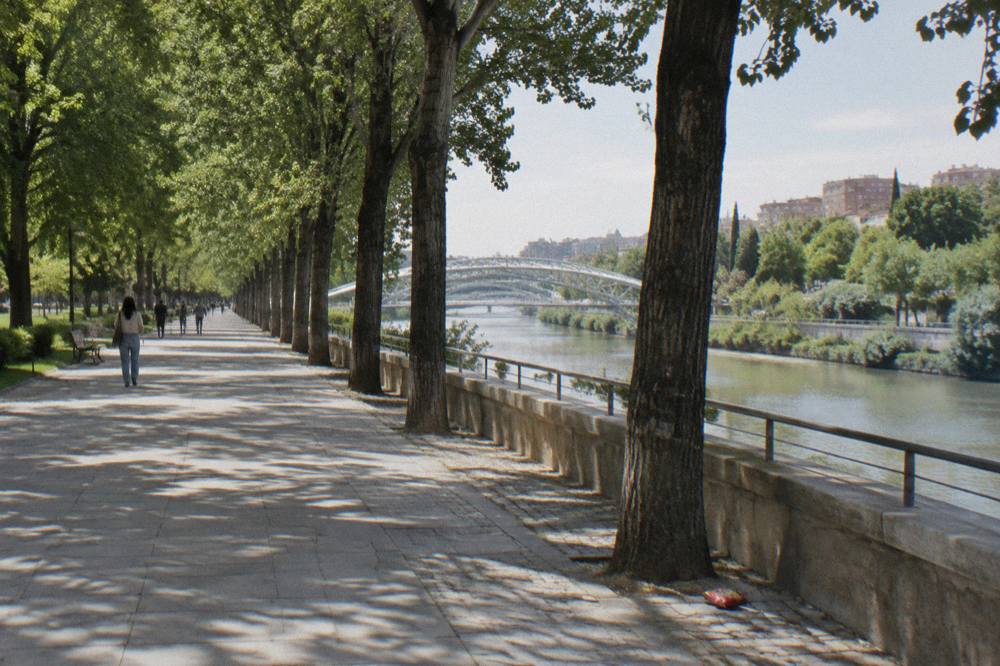
For a visitor on a zero-budget day, the park solves a real problem: it turns a scattered list of free sights into one continuous walk. You can start under the palace walls, follow the river south past Matadero Madrid, and finish in a completely different part of the city, all on foot and all without paying for anything beyond water and shade. The Free Things To Do In Madrid directory treats it as one of the city's core free assets for exactly that reason.
One thing it is not: a wild river landscape. The Manzanares is small, shallow and heavily engineered, and the park around it is unmistakably designed. If you come expecting rugged riverbanks you will be disappointed; if you come expecting one of Europe's most generous pieces of free urban parkland, you will not be.
Where Does The Madrid Río Walk Start And End?
The classic route runs from the Puente del Rey or the Jardines de Sabatini near the Royal Palace in the north to the Matadero Madrid cultural centre and the Legazpi bridges in the south, roughly six kilometres of the park's ten. Most walkers do it in two to three hours at sightseeing pace. The full stretch, continuing south to the Arganzuela and the Madrid Río's southern limits, adds another hour.
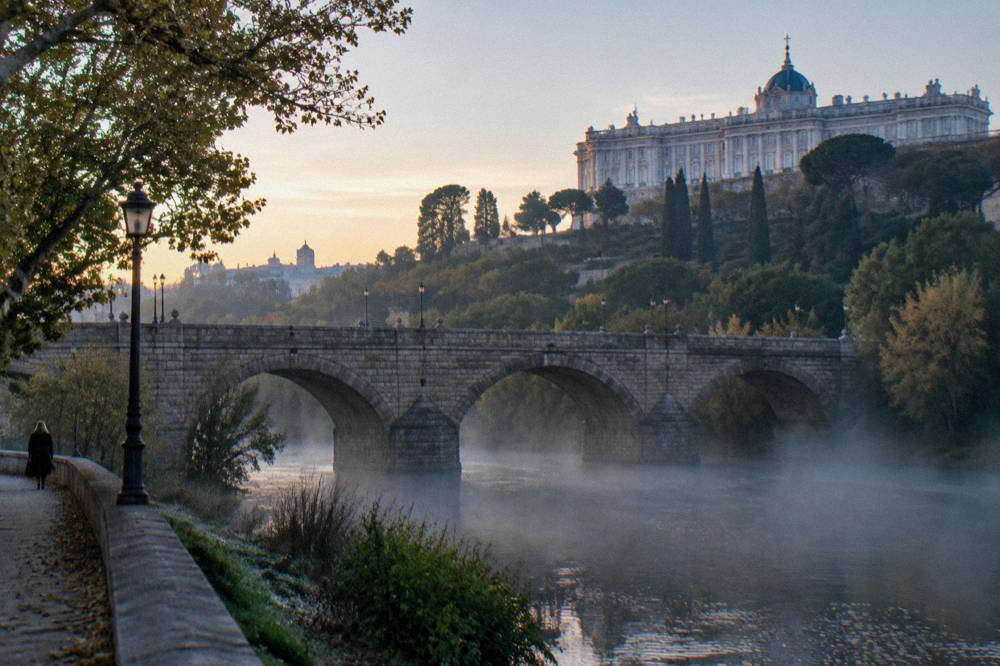
The northern trailhead sits directly below the Royal Palace. The palace itself has its own free-entry window for EU and Latin-American residents, which our Royal Palace free entry guide covers in detail, but the park below it costs nothing for everyone. From the ridge you drop past the Jardines de Sabatini and Campo del Moro, both free, both open in normal park hours, and you are on the riverbank within ten minutes.
The southern end is less famous but arguably more interesting. Matadero Madrid, the converted old slaughterhouse that is now the city's flagship free contemporary culture venue, anchors the Legazpi end, and from there the park connects onward toward the Madrid Río's southern sections and the river's older working-class districts. Most visitors turn around here and take the metro back, which is a reasonable plan.
A sensible free day pairs the river with the historic centre it flows beneath, and a guided walk through that centre is the cheapest way to anchor the morning. The three options below are the strongest free-tour pairings for this route.
Each of these walks is pay-what-you-want: you book a spot, walk with the guide, and tip at the end. The amount is entirely your call, and our free walking tour tipping guide breaks down what Madrid guides typically receive.
What Can You See For Free Along Each Stretch?
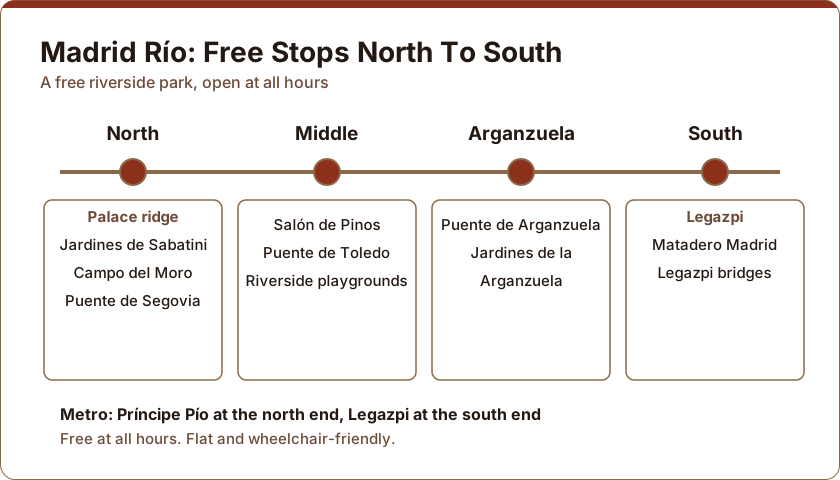
Every stretch of Madrid Río is free, but the sights cluster in three zones: the historic bridges below the palace, the Salón de Pinos and Puente de Segovia section in the middle, and the Arganzuela-Matadero stretch in the south. The bridges alone justify the walk, including the granite-arched Puente de Segovia and the dramatic modern Puente de Arganzuela. Expect two to three hours to see the lot at an unhurried pace.
The northern stretch is where the city's two eras collide most sharply. The Puente de Segovia, one of the oldest crossings in the city, still carries pedestrians across the Manzanares on granite arches, while a few hundred metres away the Caja Mágica tennis complex and the modern footbridges show the park's contemporary face. Above the river on the eastern side, the Almudena Cathedral's neo-Gothic bulk dominates the skyline; the cathedral nave and crypt are free to enter, with an optional one-euro donation in the crypt, and the cathedral's own visitor page confirms the current arrangements.
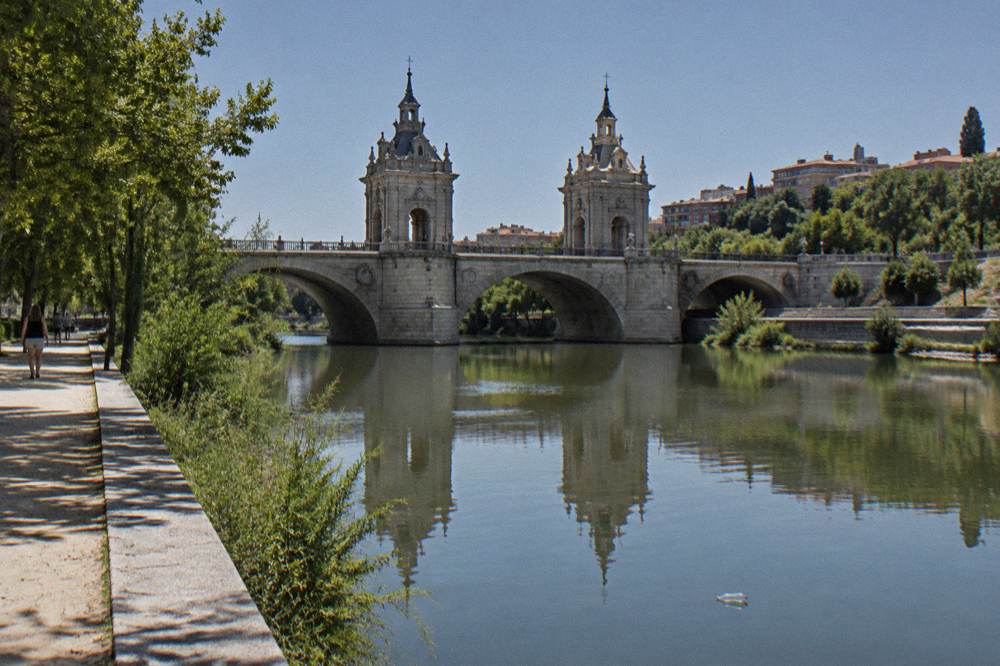
The middle stretch is the postcard section. The Salón de Pinos is a pine grove planted along the river with a long central promenade, and it flows into the Puente de Toledo area, where a baroque stone bridge with twin tower gates crosses water that reflects it properly for the first time in centuries. The Parque de la Arganzuela sits just south, with its three architecturally notable modern walkways, the Puente de Arganzuela among them, and the Jardines de la Arganzuela, a set of themed gardens on the old riverbed.
The southern stretch is the local's section, and it is where the park earns its reputation as everyday infrastructure rather than a tourist set piece. Families use the playground clusters, runners use the soft-surface lanes, and Matadero Madrid draws a weekend crowd that has nothing to do with sightseeing. If your time is short, walk north to south: the route improves as it goes.
The table below puts the free sights in walking order.
| Stretch | Free sights | What stands out |
|---|---|---|
| North (palace ridge) | Jardines de Sabatini, Campo del Moro, Puente de Segovia | Historic granite bridge, palace views from below |
| Middle | Salón de Pinos, Puente de Toledo, riverside playgrounds | Pine promenade, baroque bridge reflections |
| Arganzuela | Puente de Arganzuela, Jardines de la Arganzuela | Modern walkways, themed gardens |
| South (Legazpi) | Matadero Madrid, Legazpi bridges | Free contemporary art and design venue |
One practical note worth knowing before you plan: the park is genuinely open at all hours, but the free sights above it are not. Campo del Moro keeps limited daytime hours, and Matadero's exhibitions have their own schedule, so treat the riverbank itself as your always-available spine and the attached venues as timed extras.
If you want a guided version of the historic quarter that sits on the ridge above this stretch, the Old Town Walk, Five Languages on GuruWalk, rated 4.92 out of 5 across 10,008 reviews, is the largest single walk on the Madrid GuruWalk roster. It meets at Kilometer Zero in Puerta del Sol, a fifteen-minute walk from the northern trailhead, and covers the Austrias streets that slope down toward the river.
Is Matadero Madrid Free?
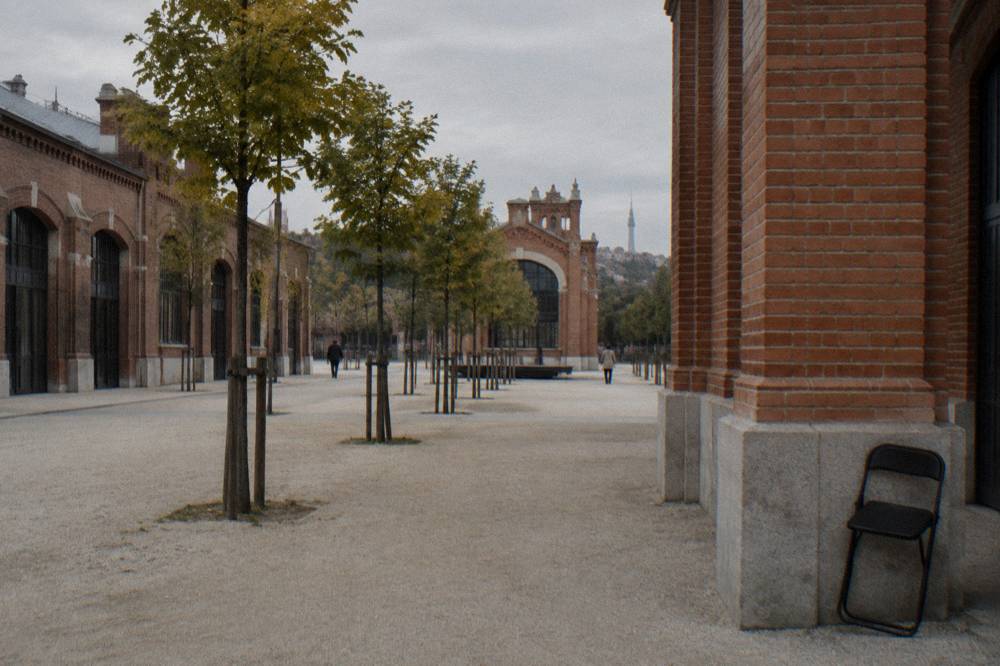
Yes, Matadero Madrid is free to enter, and its exhibition halls, courtyards and most of its programme cost nothing. Built as the city's municipal slaughterhouse and later converted into a contemporary culture centre, it now hosts art, design, cinema and literature events in a vast brick complex. Some ticketed performances run alongside the free programme, but general entry and most exhibitions are free.
The building alone justifies the detour. The old slaughterhouse pavilions, red brick with iron and tile detailing, have been restored rather than rebuilt, and the complex reads as industrial Madrid in a way almost nothing else in the centre does. Inside, the programming leans contemporary and civic: art installations, architecture shows, a design centre, and a constant churn of smaller events, most of them free and none of them requiring a booking for casual entry.
Matadero also anchors the southern end of Madrid Río as a practical matter. The Legazpi metro station sits two minutes away, the river park ends at its doorstep, and the centre functions as the natural turnaround point for walkers coming south. In warm months the courtyards host open-air events, and the surrounding Arganzuela streets hold some of the least touristy tapas bars within walking distance of any major sight in Madrid.
For budget planning, the venue changes the arithmetic of a river day. A walk that would otherwise be pure scenery gains a free indoor stop with toilets, shade and air conditioning, which matters in July. Check the current programme before you go, since individual shows occasionally carry a ticket, but the default expectation should be free.
If the river and Matadero fill the middle of your day, the old town above the ridge is the natural way to fill the evening, and a pay-what-you-want walk is the cheapest way to get oriented in it. Booking a spot costs nothing, the price stays entirely up to you until the tour ends, and the popular runs fill first in high season.
How Do You Pair Madrid Río With The Old Town?
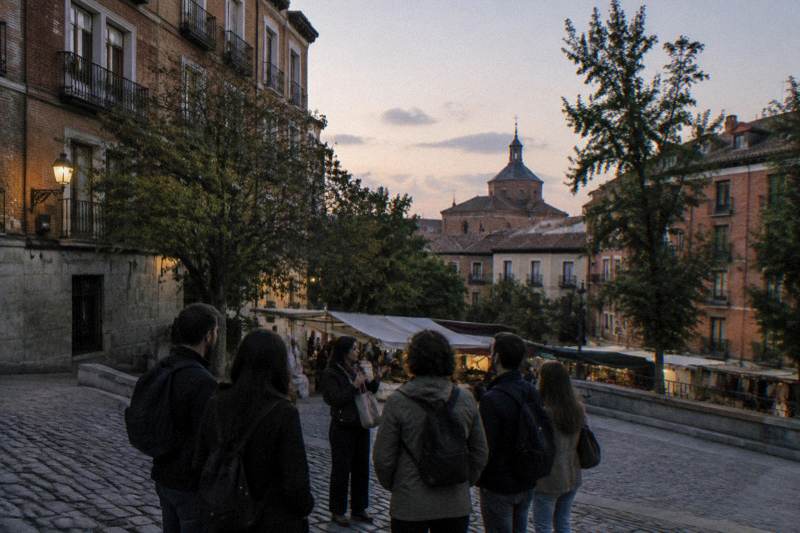
The river sits directly below the Habsburg old town, so the natural pairing is a morning free walking tour through Plaza Mayor and the Austrias quarter, then a descent to the riverbank for the afternoon. The drop from Plaza Mayor to the Puente de Segovia takes about fifteen minutes on foot. Every major free tour meeting point in the centre, Puerta del Sol and Plaza Mayor, sits within a twenty-minute walk of the northern trailhead.
This is the shape of the best free day in Madrid: guided old city in the morning, self-guided river in the afternoon, and a sunset from the palace ridge or the riverbank to finish. The Original Free Tour on freetour.com, rated 9.3 out of 10 across 21,435 reviews, is the volume leader here, meeting at Plaza Mayor in front of the Tourist Information Centre and running two and a half hours through the streets that slope toward the water. It runs in English and Spanish, pay what you want.
The Royal Palace And Theatre Walk on GuruWalk, rated 4.89 out of 5 across 1,976 reviews, covers the other half of the ridge: the palace, the Opera quarter and the theatre district that look down on the northern riverbank. Meeting at the El Oso y el Madroño statue in Puerta del Sol, it runs two and a half hours in four languages and pairs naturally with a river walk that starts below the palace gardens.
If you would rather keep the whole day self-guided, our free one day Madrid itinerary sequences the old town, the palace ridge and a river stretch into a single walking route, and our Retiro Park guide covers the park at the other end of the cultural axis.
For walkers who prefer a smaller group or a different language, three more GuruWalk options cover the same central ground from different angles, all pay what you want.
Each meets in the centre within walking distance of the river's northern entry points, so any of them can be folded into the same morning-river-afternoon shape.
What Are The Best Times And Practical Tips?
Walk Madrid Río in the morning or late afternoon; in summer the riverside is exposed and midday heat is a real factor, so plan around it. Spring and autumn are the ideal seasons, when the riverside is green and the light is soft. The park is open around the clock, metro stations serve both ends, and the whole route is flat and wheelchair-friendly, which distinguishes it from almost every other long walk in Madrid.
Access is the park's quiet strength. Príncipe Pío station serves the northern end near the palace, Pirámides and Legazpi serve the middle and south, and several bus routes run along the parallel streets on both banks. If your legs give out, you are never more than fifteen minutes from a metro stop, and the flat, wide, well-surfaced paths make this the city's most accessible long walk for strollers and wheelchairs alike.
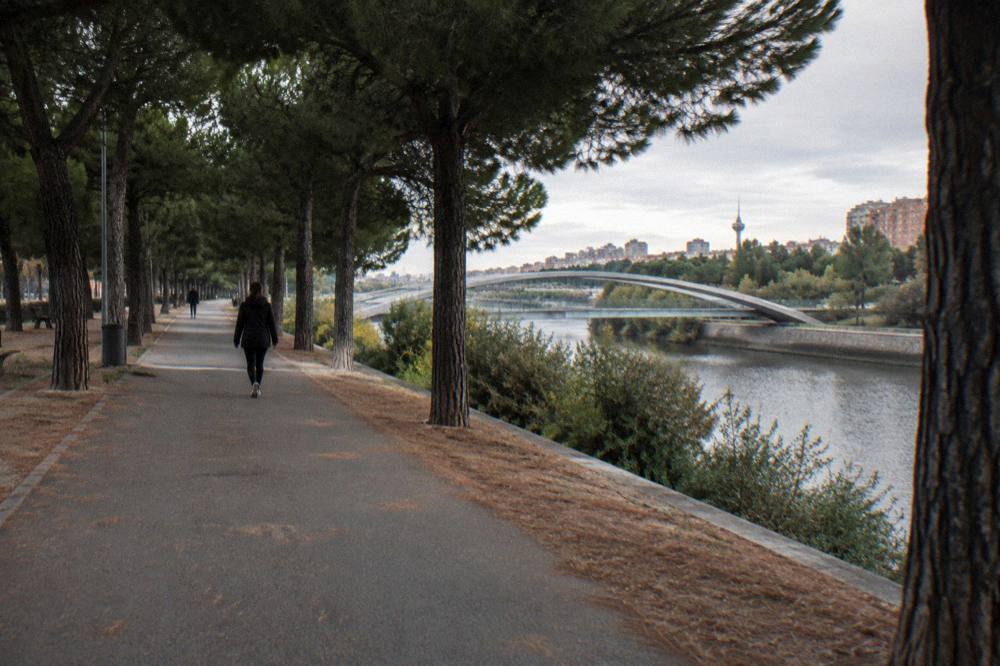
Cyclists should note that the park has dedicated lanes and the city's public bike share docks at multiple points along the route. Runners get soft-surface lanes separate from the pedestrian promenade. Neither costs anything beyond the bike hire if you want it, and the riverside has public drinking fountains at regular intervals, which matters more than it sounds in August.
The planning table below condenses the practical decisions.
| Decision | Best choice | Why |
|---|---|---|
| Season | April-June, September-October | Comfortable temperatures, green riverside |
| Time of day | Morning or after 18:00 | Midday heat in summer, soft evening light |
| Direction | North to south | The route improves toward Matadero |
| Metro entry | Príncipe Pío (north), Legazpi (south) | Both sit minutes from the trailheads |
| Turnaround | Matadero Madrid | Free indoor stop, metro home |
Two cautions. First, the river itself is not for swimming or wading; it is shallow, engineered and occasionally fast after rain. Second, the park's playgrounds and lawns fill with local families at weekends, which is a feature rather than a bug, but it means the popular middle stretches are at their quietest on weekday mornings.
What Free Things Are Near The Ends Of The Park?
The northern end connects to the Royal Palace gardens, the Almudena Cathedral and the Sabatini terraces; the southern end connects to Matadero Madrid and the Legazpi bridges. Westward, the Puente del Rey footbridge leads directly into Casa de Campo, the city's enormous free park, in about ten minutes. The Retiro and museum-mile axis sits a metro ride or a thirty-minute walk east, linking the river to the Prado free hours and Reina Sofía free slots.
The Casa de Campo connection deserves emphasis, because it is the single biggest expansion a river walk can offer. Crossing at the Puente del Rey, you leave the designed riverside and enter a vast expanse of free parkland with a lake, dirt trails and almost no buildings. Our Casa de Campo guide covers it fully; the short version is that the park is free while the cable car over it and the zoo inside it are separately ticketed.
At the eastern end of the cultural axis, the museum mile rewards planning. The state museums each run their own free windows, and the schedules differ museum by museum: the Prado's free entry is the last two hours daily, Reina Sofía's is the evening slot with a Sunday midday alternative, and the smaller state museums open free from Saturday afternoon. The Reina Sofía also runs its Retiro satellite spaces, and the museum's own Retiro venues page tracks which pavilions are currently open.
| Nearby free sight | Direction from the river | Free conditions |
|---|---|---|
| Jardines de Sabatini | North end, below palace | Free in park hours |
| Catedral de Almudena | North end, palace ridge | Free nave, optional EUR 1 crypt donation |
| Casa de Campo | West via Puente del Rey | Free park, paid cable car and zoo |
| Museo de Historia de Madrid | Metro ride east | Free general admission year-round |
| Museo de San Isidro | Metro ride south | Free general admission year-round |
The two municipal museums in that table are worth underlining because they break the pattern every other Madrid museum follows: no free window, no conditions, no ticket at all. They are small, central and chronically quiet, which makes them ideal rainy-day stops on a budget itinerary.
If the evening still has light left, the ghost and legends walks give the old town a different register after dark, and the tapas walk covers the market side of the same neighbourhoods. All three are pay-what-you-want listings.
Common Questions About Madrid Río
Is Madrid Río free to visit?
Yes, completely. The park is public space with no gate, ticket or entry fee at any time. The attached venues vary: Matadero Madrid's exhibitions are free, while ticketed performances inside it and the Casa de Campo cable car are separately paid.
How long is the Madrid Río walk?
The park runs roughly ten kilometres along the Manzanares. The classic sightseeing stretch from the Royal Palace ridge to Matadero Madrid is about six kilometres and takes two to three hours at walking pace, plus stops.
Can you walk from the Royal Palace to Madrid Río?
Yes. From the Jardines de Sabatini below the palace it is about ten minutes on foot down to the riverbank at the Puente de Segovia, and the whole descent is through free public gardens and streets.
Is Madrid Río good for cycling?
Very. The route is flat, continuous and served by dedicated cycling lanes separated from pedestrians, with public bike-share docks along the way. It is one of the safest long cycling routes in central Madrid.
What is Matadero Madrid and does it cost anything?
Matadero Madrid is the city's contemporary culture centre, built in the converted municipal slaughterhouse at the park's southern end. General entry and most exhibitions are free; some performances and film screenings are ticketed, so check the programme for the day you visit.